Climate-Resilient Crops for Zone 7
A few years ago, I heard my neighbor say that if the climate continued being as hot and dry as it has been lately, having a backyard garden wouldn’t be worth it anymore. We’d spend too much money on watering it. Well…she’s not the brightest crayon in the box for a number of reasons—especially on this one!
Maryland summers are getting hotter and drier every year. In fact, when the U.S. Department of Agriculture redid the grow zone maps a few years ago, our area jumped from grow zone 6 to 7. That’s big! And it means that a lot of our favorite plants have a harder time keeping up.
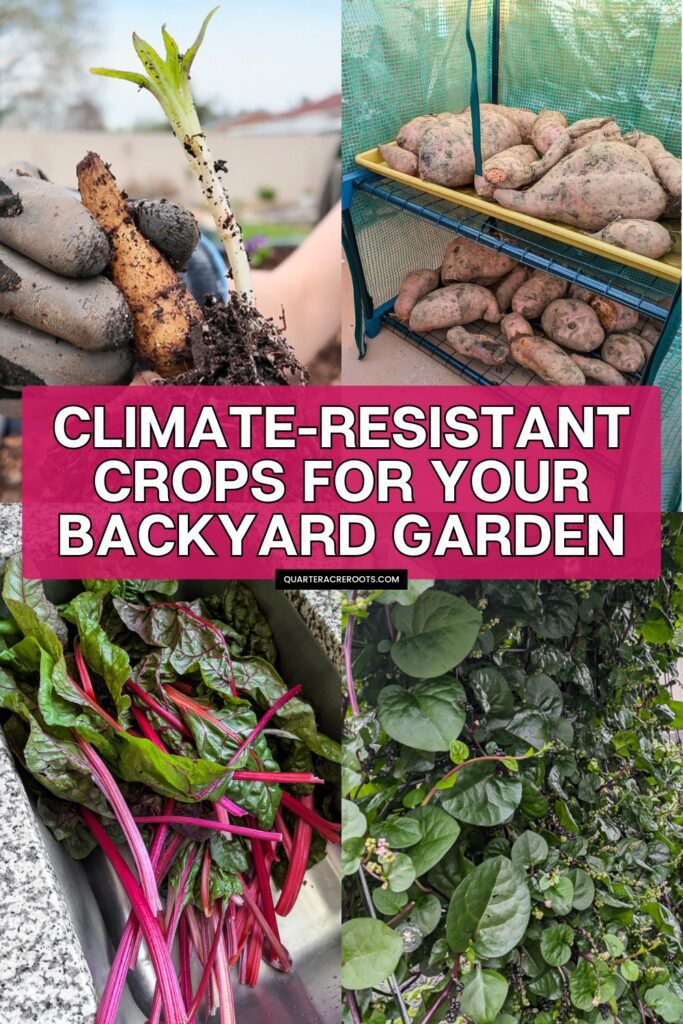
So today, I’m sharing the heat- and drought-resistant plants that can thrive in my garden. Climate-resilient crops use less water, bounce back faster after heat waves, and stay productive when everything else is crispy and sad. I promise that incorporating some of these into your planting plan will help decrease your stress over the growing season!
Sweet potatoes
Sweet potatoes are one of those things that I didn’t really like until I grew them myself. Not because mine are so much better than store-bought ones (I mean, they are, but that isn’t the reason). I like them now because I can learn to like anything I grew 🙂
Sweet potatoes are actually a tropical plant. They don’t really behave like traditional potatoes, which you probably associate more with colder temperatures. While they are also a root vegetable, they have sprawling foliage that’s actually edible as well.
The vines act like a living mulch, shading the soil and keeping moisture in. Sweet potatoes soldier through heat waves just fine. They’re honestly a mostly hands-off crop. I barely water mine once they are established plants.
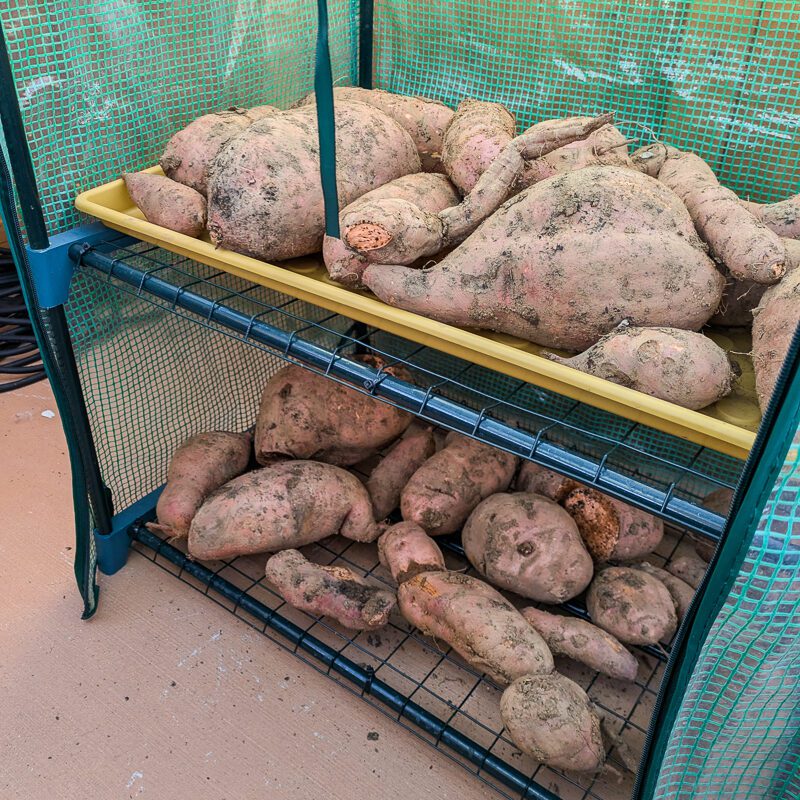
Also, once you cure your sweet potatoes, they are shelf stable for many, many months. That means you don’t have to do anything special to preserve them, and they don’t take up freezer space!
Pole beans
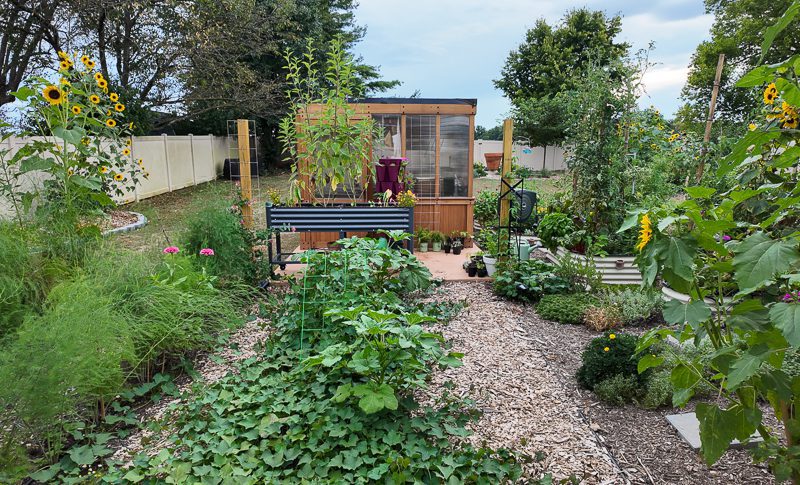
Pole beans are way more heat-tolerant than bush beans. Because they climb, they put their energy into deeper roots. I love that they give you a long harvest window, they handle drought well, and they create vertical shade in the garden.
They’re a perfect small-space crop, too. I can grow them up a trellis and plant something else in the bed right next to them. As a bonus, beans are nitrogen-fixing plants, meaning they help replenish nitrogen levels in the soil, which is essential for healthy soil.
I didn’t do a ton of pole green beans last summer because the bean beetles were just so bad. But I did do some scarlet runner beans up an obelisk trellis in the newly landscaped front garden so I could shell and save them. I never watered them, even during periods of drought, and they did amazing.


Swiss chard
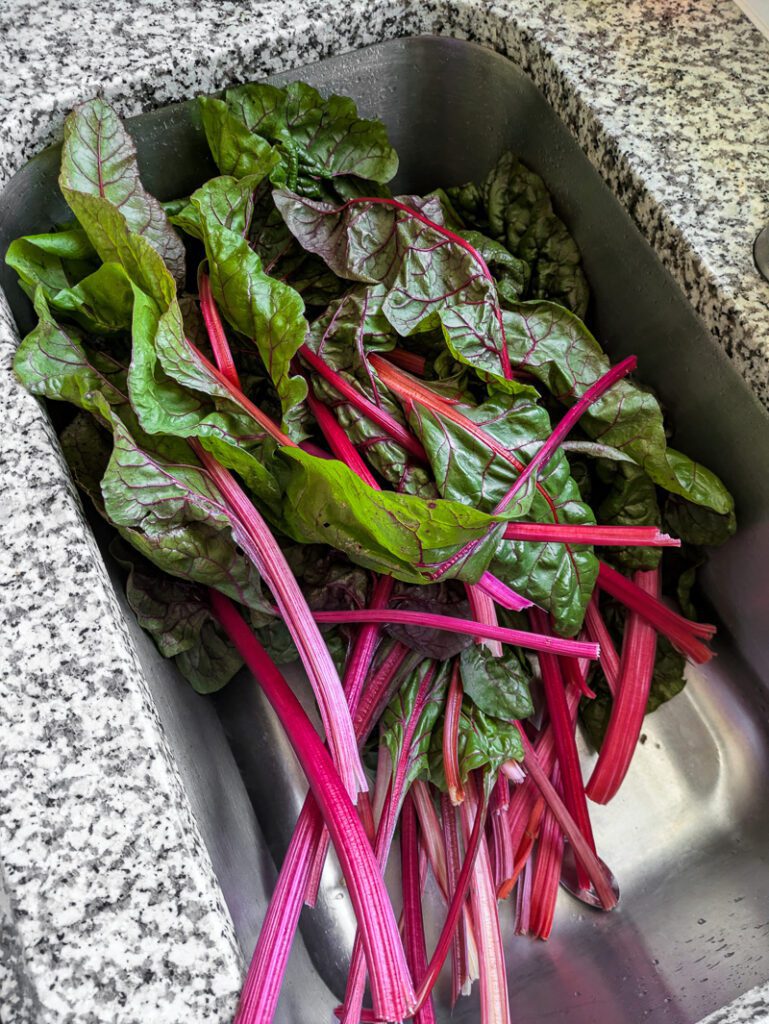
Swiss chard is my favorite summer green. When your spinach and lettuce plants bolt and turn bitter, chard keeps pushing out leaves. It just doesn’t quit—heat, drought, neglect, whatever. And because it’s cut-and-come-again, one small planting can feed you all season and well into the fall.
You can snip the smaller leaves to use in salads. As the leaves get bigger (and they will get really large!), they get a bit thicker and have a stronger taste. At that point, I still like to chop some up and mix them into salads, but you might prefer them stir fried or boiled in a bit of broth.
Chard also seems to be relatively pest resistant. After battling squash bugs on my summer squash all summer, I need to remind myself that picking plants that pests aren’t interested in can save me a lot of headaches. This is one of them!

Winter squash
And speaking of plants that can lead to a lot of headaches…next up, we have winter squash! Growing squash can mean a daily battle with pests like squash bugs and vine borers. I like to cover and hand pollinate the plants for that reason.
And winter squash—things like butternut, acorn, pumpkins—are fantastic in hot, dry summers. I did butternut squash this year and got quite a few. I had some empty space in the front yard, so I just threw down a few free seeds I got, and they did great!
They do need some space, but those vines shade the soil beautifully and keep moisture levels stable. You can also grow them up a trellis if you want to save space.
Plus, they give you high-calorie, long-storage food. If you’re into resilience gardening, winter squash is a must-grow. Unlike summer squash, you can let it sit on a shelf for months after harvesting. It’s up there with sweet potatoes as far as post-harvest maintenance goes!

Sunchokes
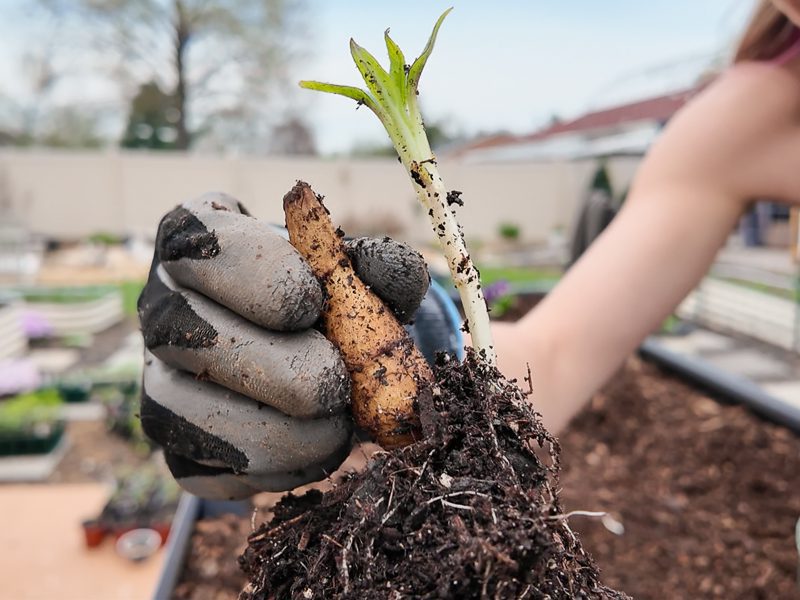
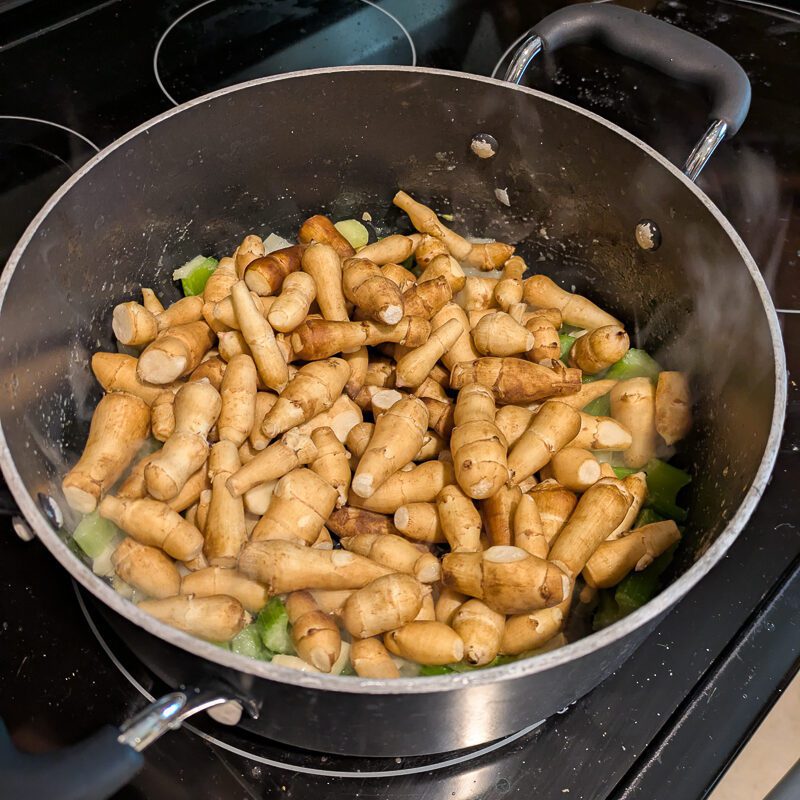
Sunchokes, or Jerusalem artichokes, are practically unkillable. They thrive in heat, drought, poor soil—you name it. It’s the tubers you eat on this plant, and they taste a lot like potatoes to me. I made a sunchoke soup much like you would a pureed potato soup, and it was delicious!
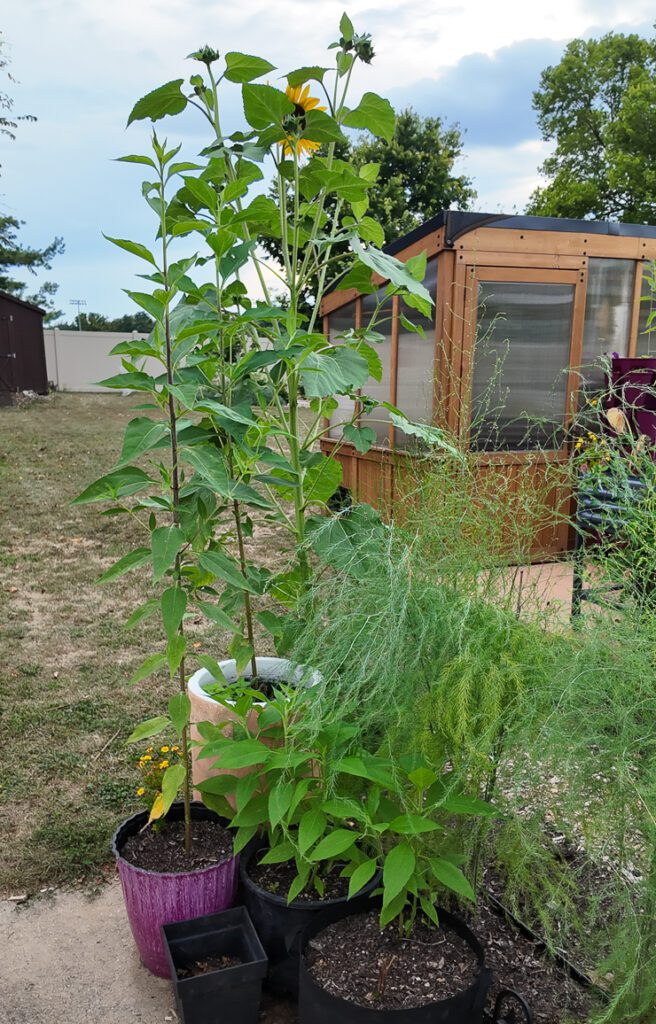
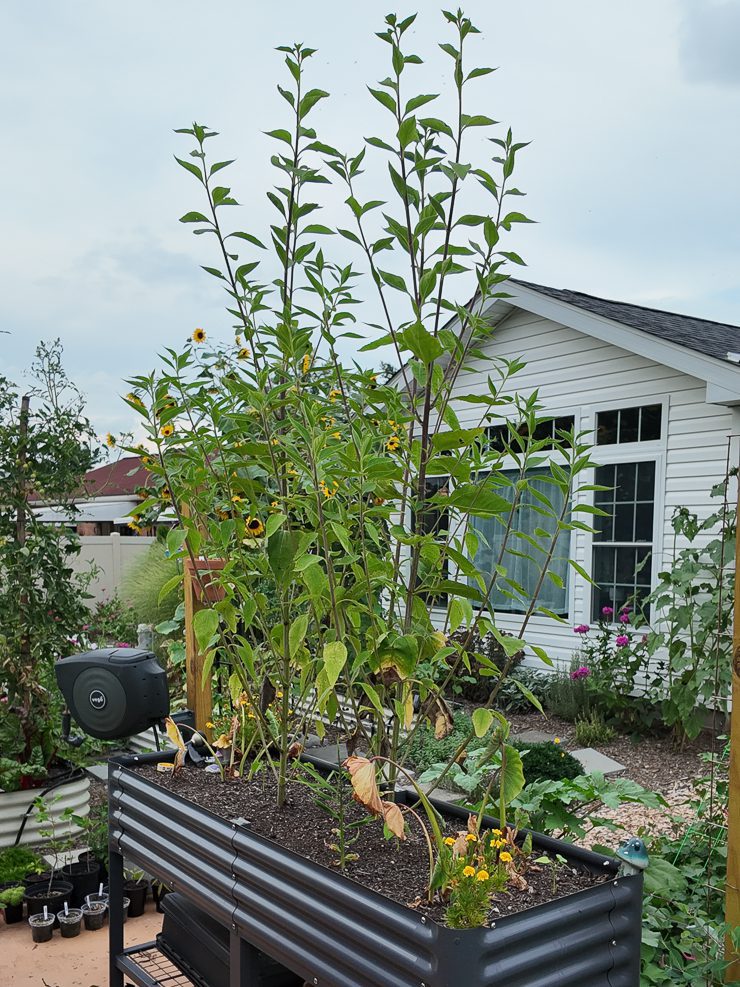
They come back every year, and they can spread, so definitely give them a dedicated spot. I grew some in my elevated edible tuber bed before I knew exactly where I wanted to plant them for this reason. The tubers didn’t grow as large as they would have if they were in the ground, but we still got a decent amount!
If you want something that will 100% grow no matter the weather, this is it. Just be forewarned that some people have a harder time digesting these, so look into that for more info 🙂
Asparagus
Asparagus is another perennial vegetable I love. After it’s established, it has incredibly deep roots, which makes it very drought-tolerant. It loves full sun and heat and can produce for decades.
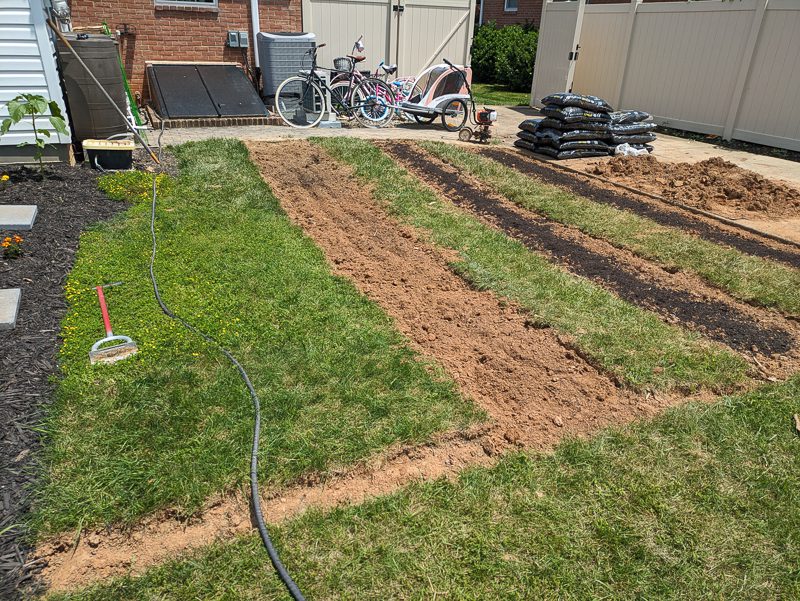
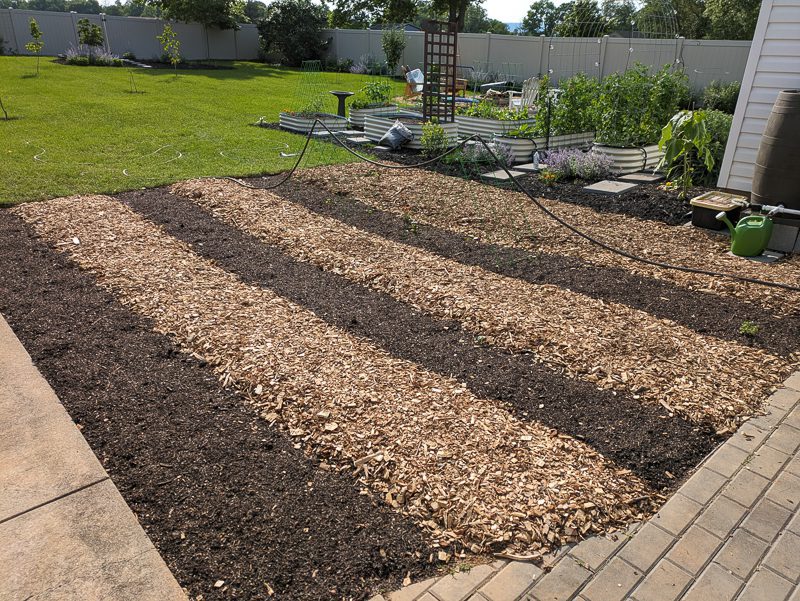
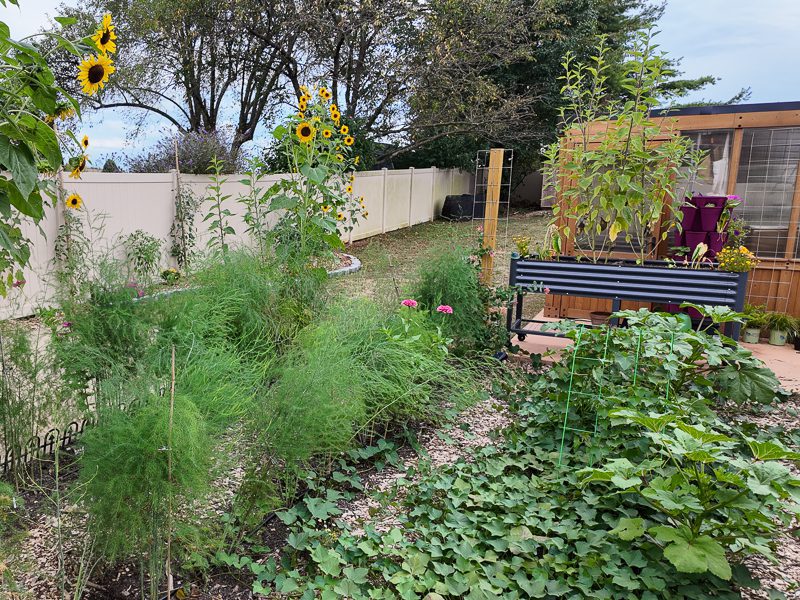
Truly a set-it-and-forget-it crop, aside from some mulching to help suppress weeds and insulate the plants over the winter. We converted a large patch of grass to an asparagus patch a few years ago, and we love being able to pop outside and pick some!
One thing to know about asparagus, though—it does take up a bit of space. That’s because you have to let it “fern out” after the picking window every year to replenish the plant’s energy. The ferns can get quite tall and wild, so staking them is a helpful way to keep things looking tidy.


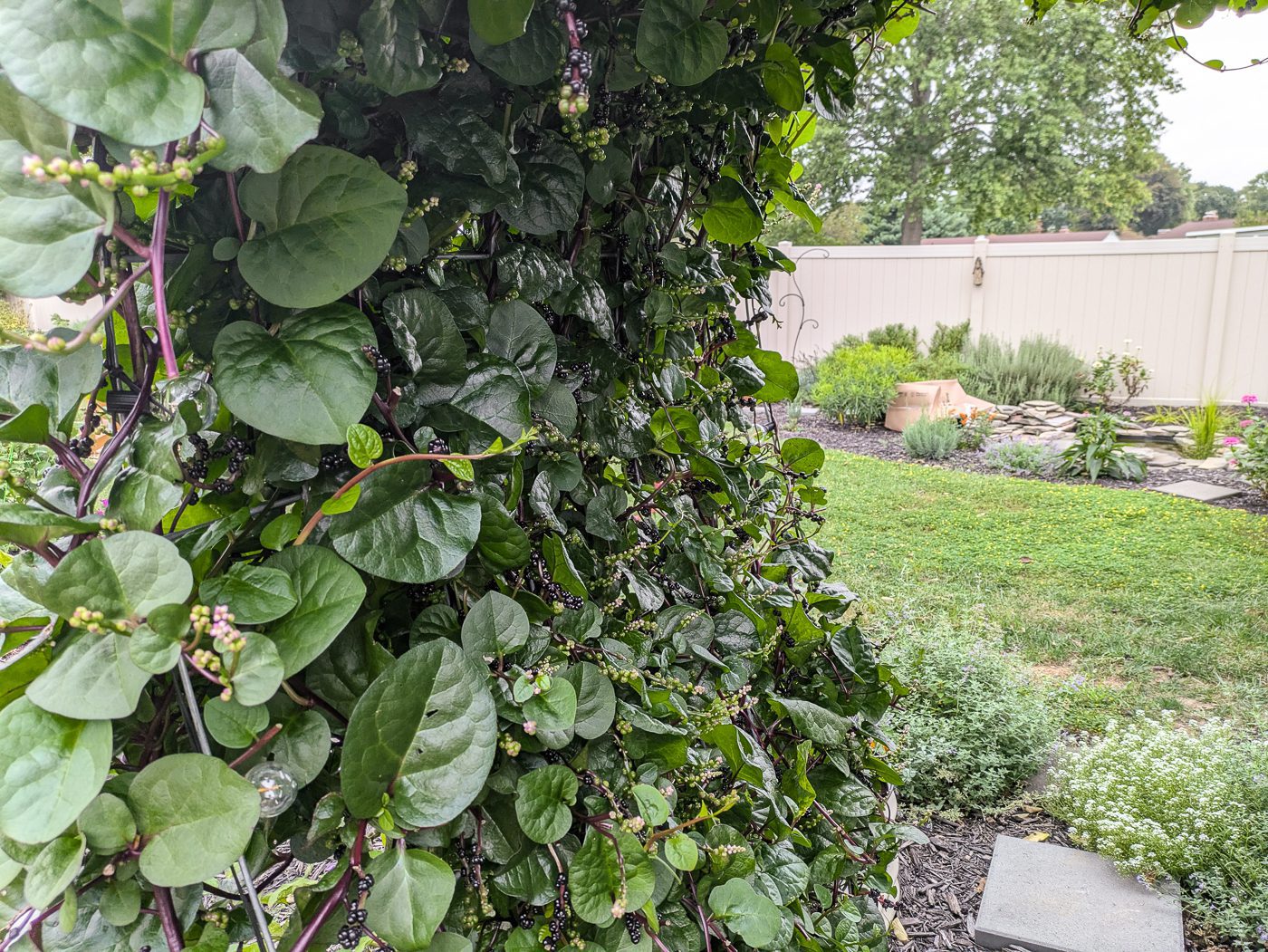
Malabar spinach
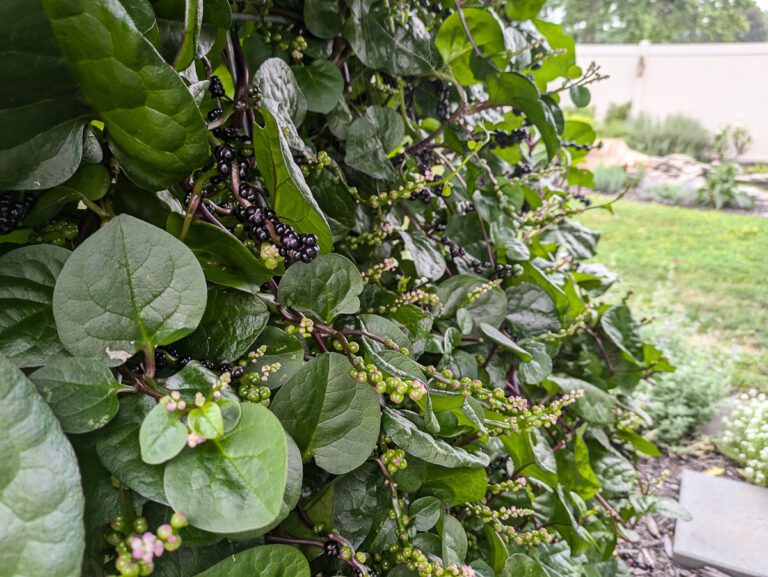
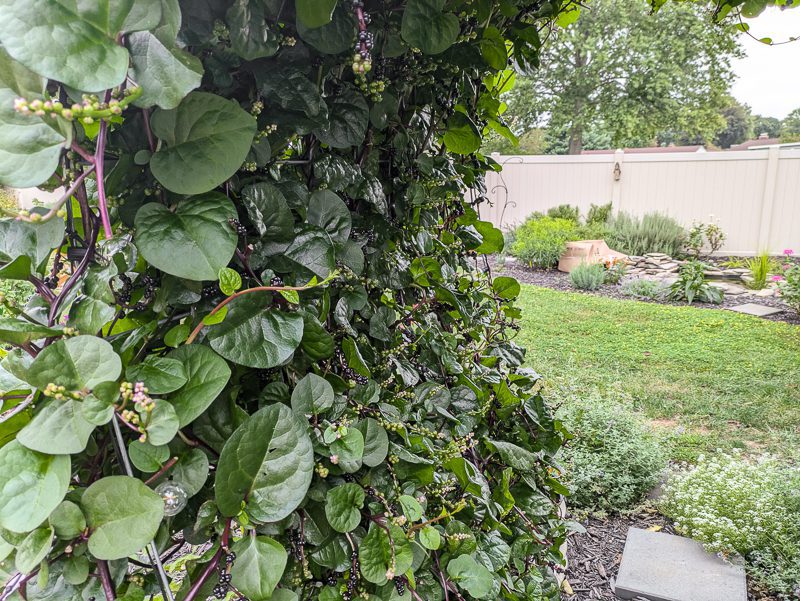
When all the regular greens have given up for the summer, you can guarantee that Malabar spinach is totally thriving. While it isn’t a true spinach, it can be used as a substitute in many things.
If you pick the leaves young, the flavor is mild and versatile in the kitchen. If you let the leaves get larger, they do get thicker and a bit more gelatinous. I’d say that’s more of an acquired taste and is probably better for soups and stir fries, not eating raw.
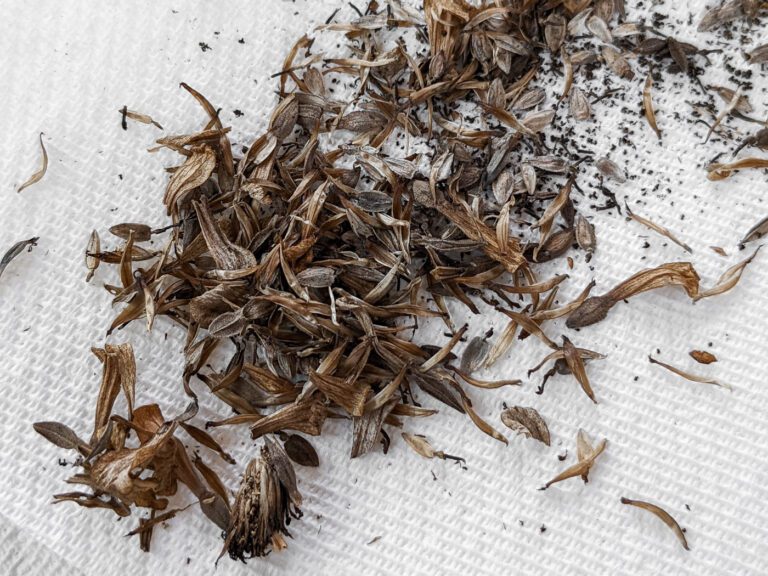
This one also climbs, so it’s another great vertical grower for smaller gardens. And it produces seeds prolifically, often reseeding itself for the following year! I don’t start seeds anymore because I know a few plants will sprout up somewhere, and I can either let them grow or gently dig them up and move them somewhere else.
New things for 2026
And here are a few things I’m planning to try in my 2026 garden! I have a long list but limited space, so I had to limit myself to just a few new trial plants. Looking forward to seeing how these grow in our space!
Cowpeas/Black-Eyed Peas
These are a staple in so many hot climates, and for good reason. They thrive in heat and survive drought. Like other peas and beans, they also fix nitrogen levels in your soil. Plus, you can harvest them green or dried, so they’re really multifunctional. I’m going to be growing some free seeds I got this year as dried shelling beans.
Red-Leaf Amaranth
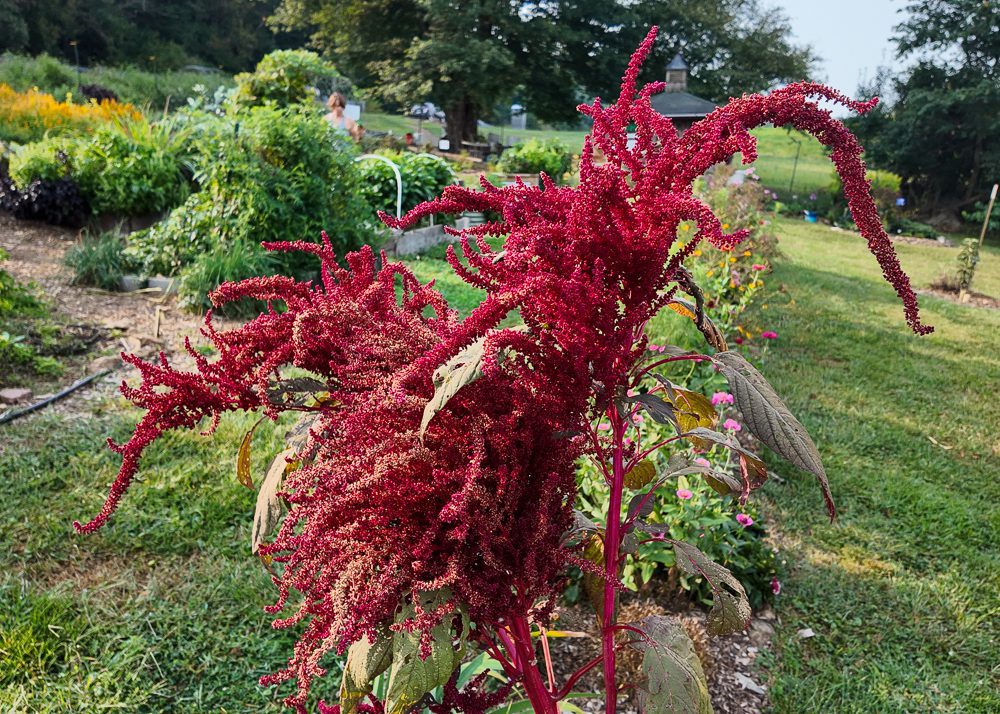
Amaranth is one of the best heat-loving greens you can grow. It’s beautiful, edible, and doesn’t mind poor soil. When lettuce is long gone, amaranth is still pushing out tender leaves. And the blooms are gorgeous in cut flower arrangements.
Molokhia (Egyptian Spinach)
This is a super heat-tolerant leafy green that’s grown all over the Middle East and Africa. It absolutely loves high temperatures and grows quickly in midsummer. I hear it has a really strong taste that’s something you either hate or love, but I’m willing to try anything from the garden once.
Ground Cherries
Ground cherries surprised me—they’re actually very drought tolerant once established. The fruits have a flavor something like a tomato crossed with a pineapple and strawberry. They aren’t technically cherries, but they are sweet!
They’ll pump out fruit even in a heat wave, and they’re delicious and low-maintenance. I’m growing a lot more of them this year.